Whether you're dealing with network connections, user sessions, or any state-dependent operations, ensuring that transitions are valid and safe is crucial. The complexity arises because states often dictate what actions can be performed, and performing an invalid action can lead to unpredictable behavior or even system failures.
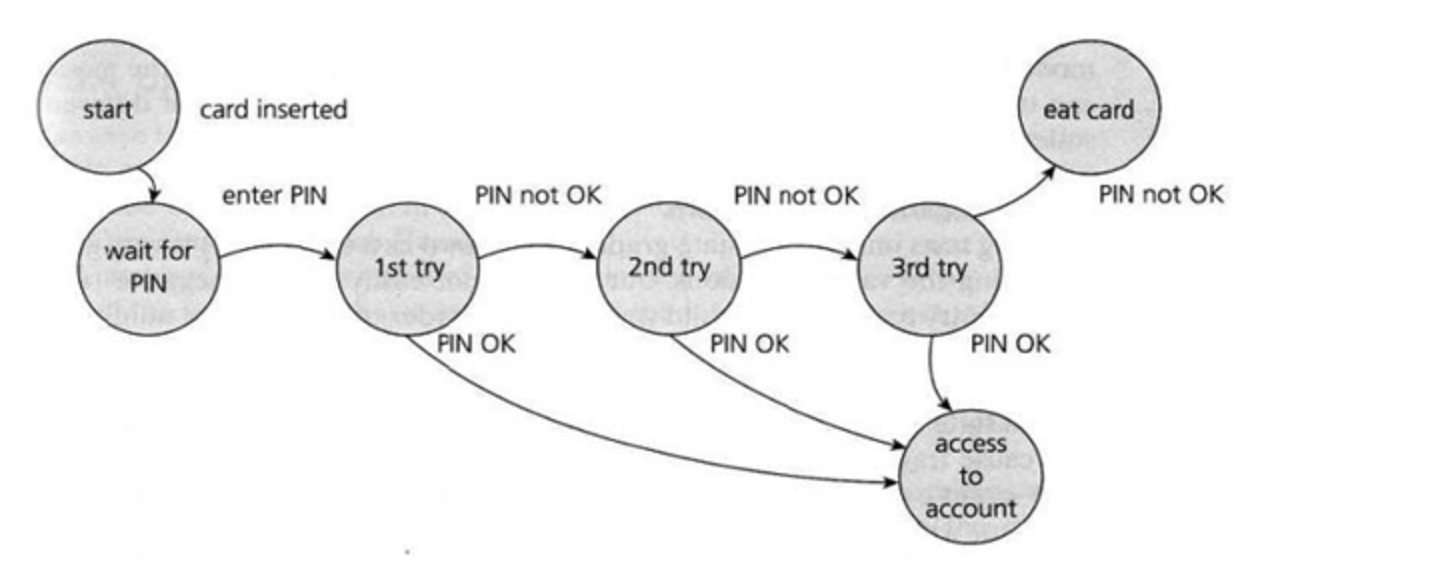
The Problem with Invalid State Transitions
Consider a simple TCP connection example where we have three states: Closed, Open, and Listening. Let's see what could go wrong if we don't manage these states properly.
Here's a code snippet illustrating an issue with invalid state transitions in a more loosely managed system:
What's Wrong Here?- Invalid State Transitions: The system allows state transitions that don't make sense, like trying to send data while the connection is Listening.
- Manual State Checks: Each method has to manually check the current state, which can lead to duplicated and error-prone code.
- Lack of Compile-Time Safety: These errors are only caught at runtime, making the system more prone to bugs that could have been caught earlier.
Type-Safe State Management
To address these issues, we can use the Typecast Pattern to ensure that state transitions are valid and enforced at compile time. This approach leverages the type system to manage state transitions more safely and efficiently.
Let's revisit the example, applying the Typecast Pattern:
Here every action is returning a new state, we cannot call e.g. listen() on a closed connection. Also every action is consuming the state, so the following is not possible.
We cannot call send() on a closed connection, the compiler will complain with
- Type Safety: Ensures that only valid transitions can occur, caught at compile time.
- Reduced Boilerplate: Eliminates the need for repetitive state checks within methods.
- Clarity and Maintainability: Makes the code easier to understand and maintain by encapsulating state-specific logic within state-specific implementations.