I build something to solve my "frustration" and since I decided to tidy it up and open-source it I wanted to also write a blog post to explain why I build it. We've all stood before Chesterton's Fence.
You open a file, stare at a bizarre block of code, and wonder: Why is this here?
- Is it a brilliant hack to bypass a race condition?
- A deprecated legacy fix?
- Or just a mistake?
Git blame finds the author (often you, six months ago), but it only tells you who and when. The code tells you what changed but it rarely tells you why.
Code explains how a machine should execute a task. Version control explains what changed over time and by who. But the intent, the reasoning, the trade-offs, and the dead-ends explored, usually (in the best case) are lost in Jira/Linear tickets, RFC or ADR documents.
In the last 6 months I write code 90% using an agent, either Claude or Cursor, and there are two things that this way of working brings to the table:
- We provide context and intent
- Agents explain the reasoning behind the changes
My "frustration" though came from the fact that this part (what we ask agents and the chain-of-thought they follow is getting lost), and I believe is very important to preserve it.
I built Lore to fix this.
What is Lore?

Lore is a reasoning "engine-repository" for code. It creates a high-context repository where AI agents and human developers don't just read code, they read the minds of the engineers/agents who came before them.
We treat documentation as a separate artifact, often disconnected from the reality of the codebase. Lore changes this by treating reasoning as a first-class citizen, sitting right alongside your source files.
It allows you to capture:
- Intent: A brief description of what you were trying to accomplish.
- Reasoning Trace: The full chain-of-thought (System 2 thinking).
- Rejected Alternatives: Crucially, what you tried that didn't work, so future agents don't repeat your mistakes.
Example:
Lore has a few basic commands:
The thing is that we don't want to manually record the reasoning and have to remember to include it as context everytime we make changes, so we need to give access to the tool to the agents. This can be done with rules, e.g. in a Claude.md:
The "Living Documentation" Philosophy
The concept isn't entirely new, but the execution needed a modern update for the AI era.
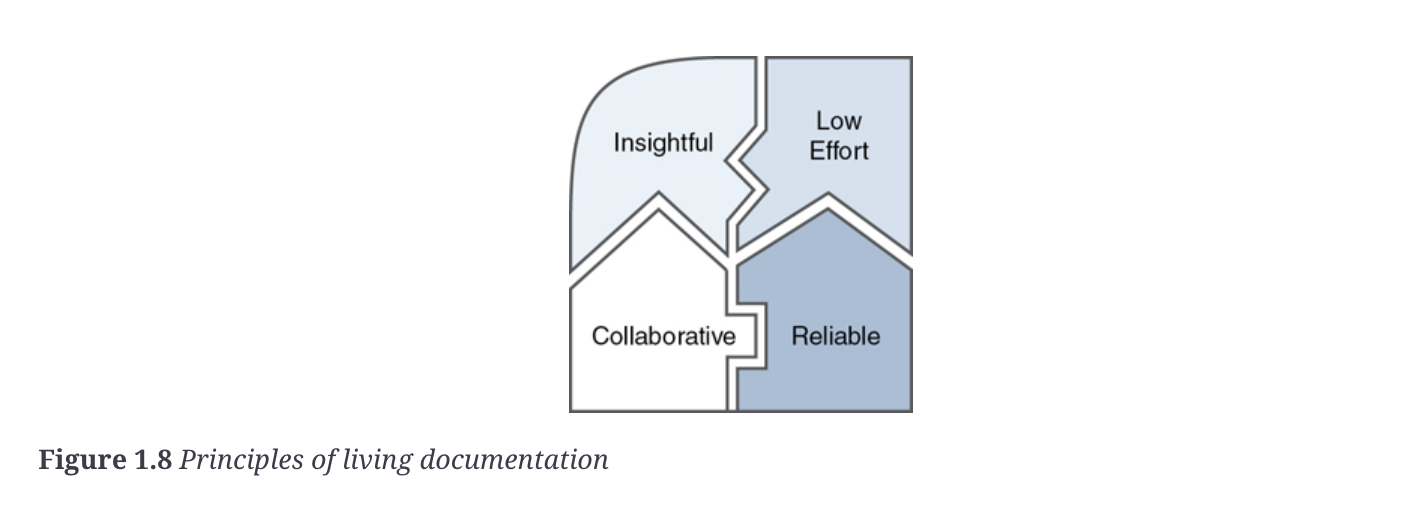
In his excellent book Living Documentation, Cyrille Martraire argues that documentation should be "reliable, low-effort, collaborative and insightful." He emphasizes that the best documentation is close to the code and evolves with it.
Google follows the same philosophy for years treating documentation as code. In the book Software Engineering at Google there is a whole section on documentation, there they mention:
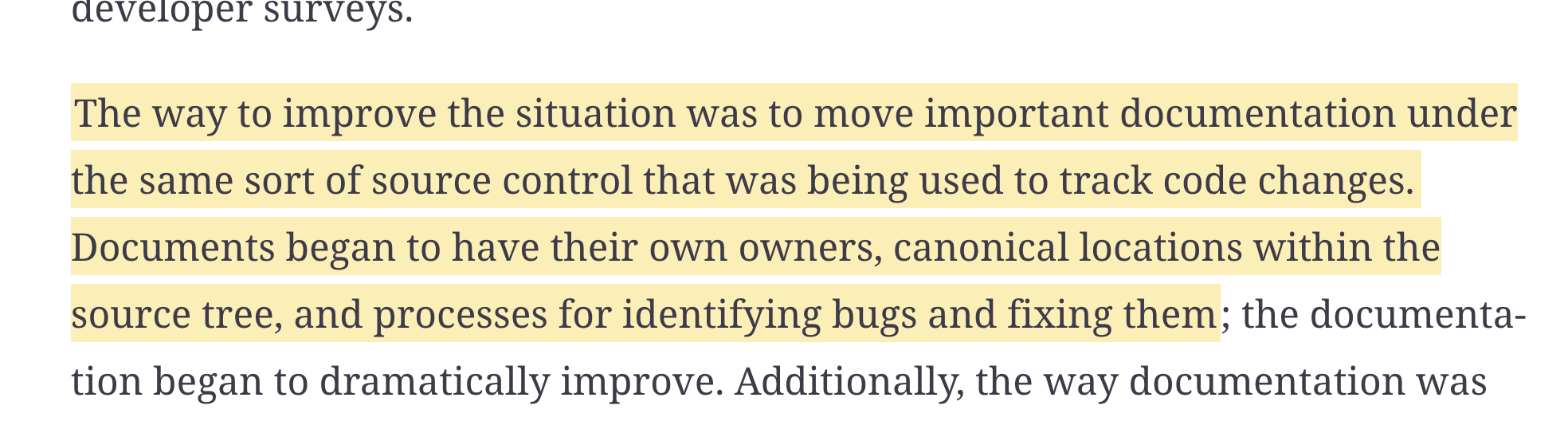
Lore operationalizes this. Instead of a stagnant wiki page that rots, Lore entries are cryptographically linked to file content hashes. If the code changes, the reasoning is preserved as a historical record, creating an immutable history of thought.
AI Agents need context, not just tokens
We are moving into an era where AI agents (like Claude Code or Cursor) act as autonomous developers. But an AI is only as good as its context.
If you ask an agent to "refactor the auth module," it might eagerly suggest a library you already tried and rejected three months ago because of a specific edge case.
Lore integrates directly with these agents. By running lore explain, an agent can ingest the historical reasoning behind a file before it writes a single line of code. It effectively gives the AI "institutional memory".
Give it a try
Lore is open source and available now. You can use it manually via the CLI, or integrate it into your AI workflows with Claude Code and Cursor.
- Website & Docs: avraammavridis.github.io/lore
- GitHub: github.com/avraammavridis/lore