I came to Berlin more-years-than-I-want-to-admit ago, without long-term plans to stay. Many things affected my "decision" to stay. I wouldn't really call it a decision, it was mostly a thought in the form of "let's stick around a bit longer" or "I still haven't seen everything". Anyway, one of the reasons I stayed in the city was the vibrant tech community. There were events happening every day. Meetups, conferences, summits, you name it.
At some point I remember there were four or five different JavaScript/frontend related meetups, BerlinJS, supported by some highly respected software engineers like Jan Lehnardt and Robin Mehner, there was NodeJS, and AngularJS, which died once everyone migrated to React, there was Fullstack Meetup, which died once the company supporting it was acquired. There was my favourite, UpFront, which was all things frontend, and React Berlin, which seems to still be around. And probably there were more that I can't recall.
Meetups at places that felt run-down and cozy at the same time, like co.up in Kreuzberg. Places a bit scruffy but with a vibe of modernity, like the early days of Betahaus (one of the very first coworking spaces). Meetups in the offices of the companies supporting them, like the ones at Paul-Lincke-Ufer, where floors that were originally arranged so steam or belt-driven machinery could run across them, with cast-iron columns and huge grid windows, were transformed into office spaces for the next e-commerce idea (most of the time a copycat) and hosted debates about the next JavaScript framework.
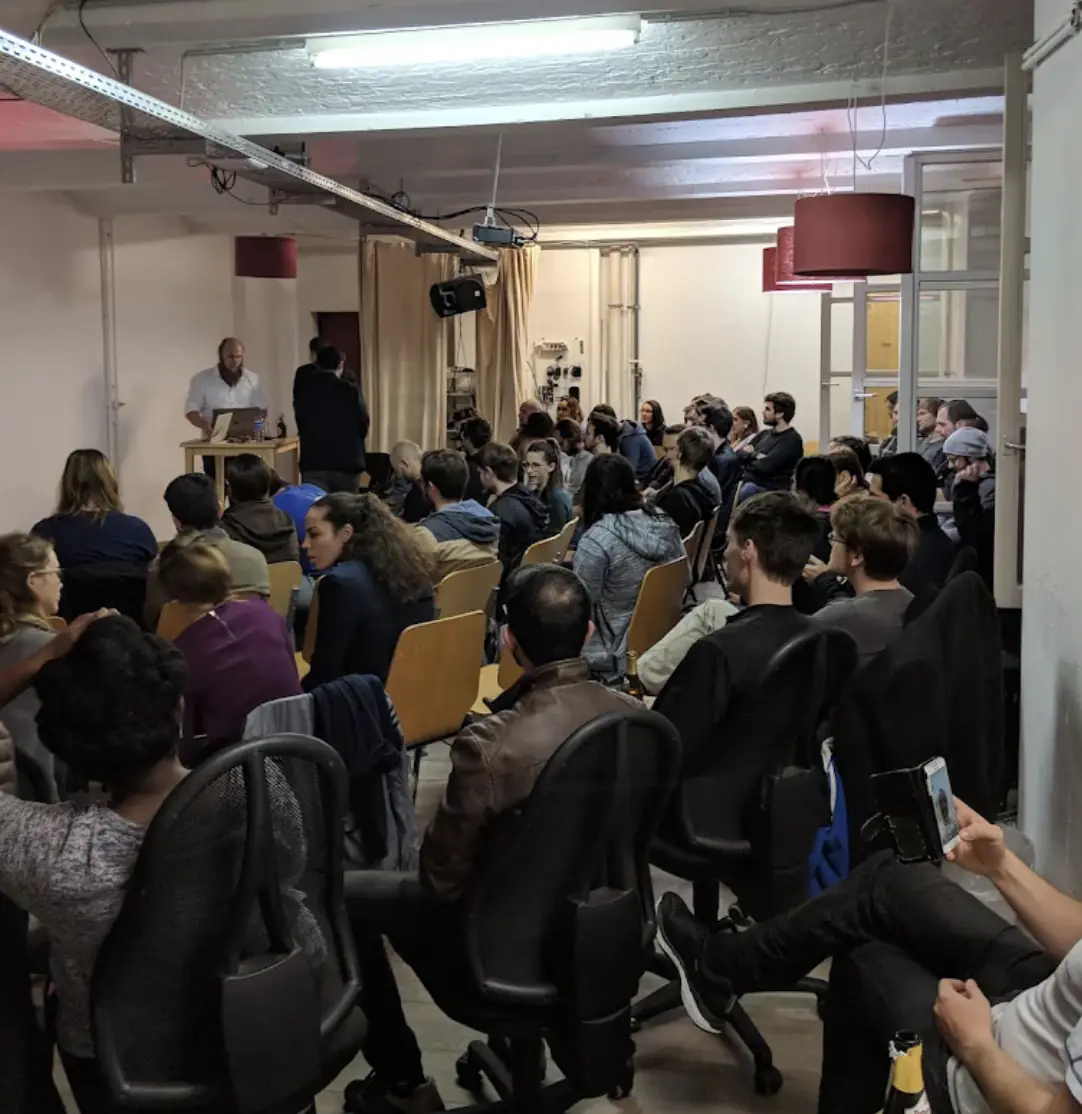
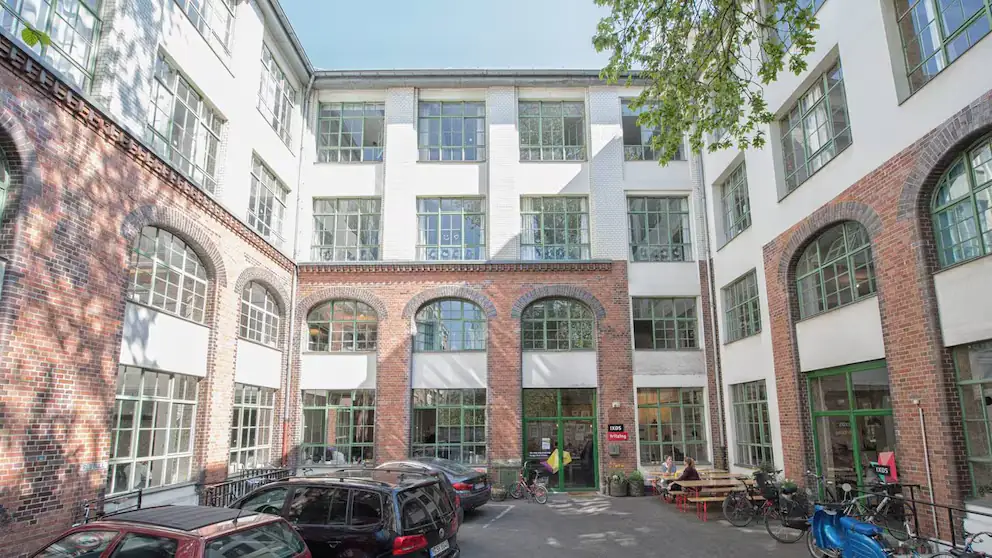
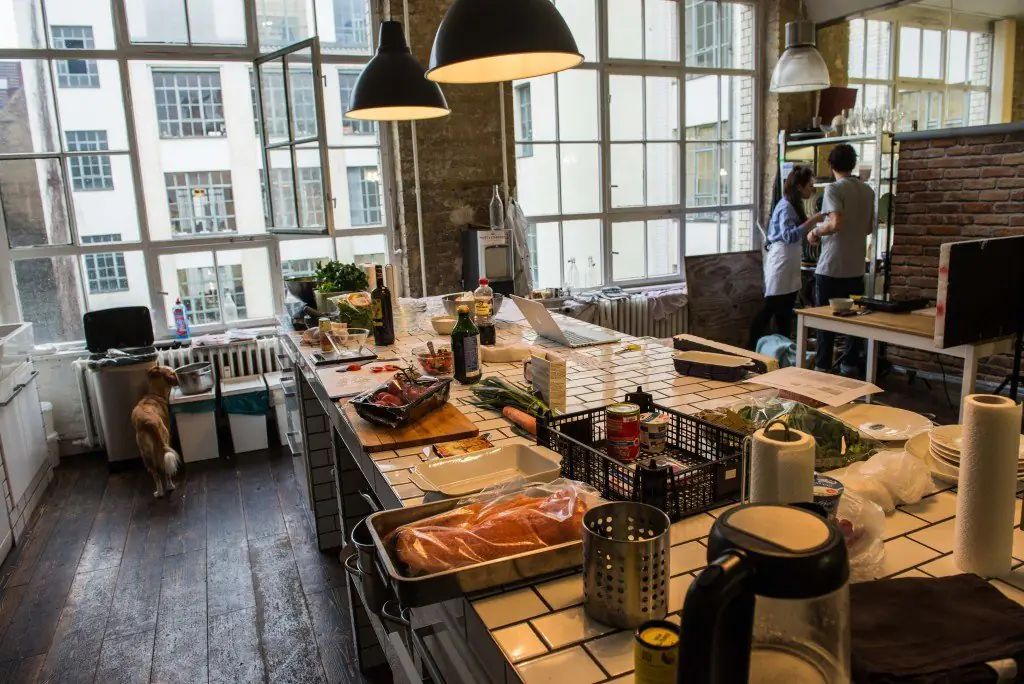
I learned to love Club-Mate at those meetups and ate more pizza than should be legal. Most of the time the technical content was obsolete after a few months, but I still remember the rooms, I still remember the faces, I still remember the conversations afterwards, I still remember meeting people at unrelated events who would later become colleagues or friends, and I still remember discovering companies I had never heard of doing something I didn't know was a thing someone was willing to pay for (or not). I still remember dropping €1.50 in a bucket to get a drink at co.up, and how different, in both bad and good ways, the meetups at Zalando's office in Mollstraße felt. I still remember how nervous I was in the first time I presented something.
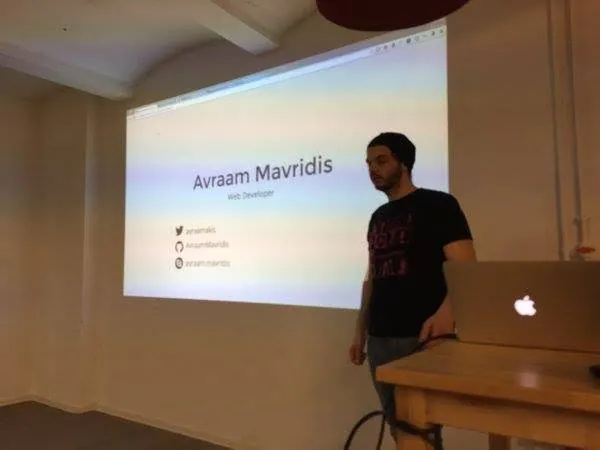
I also miss how accessible it all felt. You didn't need an invitation, a fancy job title, or to know anyone. You just showed up. Sometimes the talks were great, sometimes they were terrible, sometimes the projector didn't work, and sometimes the most interesting discussion happened outside during the break.
It was the period when many were transitioning from CoffeeScript to JavaScript. Then came the whole Angular vs React argument (engineers were switching jobs because their company didn't allow them to migrate to React 🤯). Then a period where everyone was creating some form or flavour of Redux (me included) and arguing about MobX vs Redux. Then everyone was migrating from JavaScript to TypeScript. Then everyone was arguing about CSS-in-JS vs CSS Modules, and the talks went from "look how cool styled-components are" to "look how bad styled-components are". Then came the great React Hooks revolution, followed by the Next.js hype, where suddenly everything we had spent years moving to the client was moving back to the server...
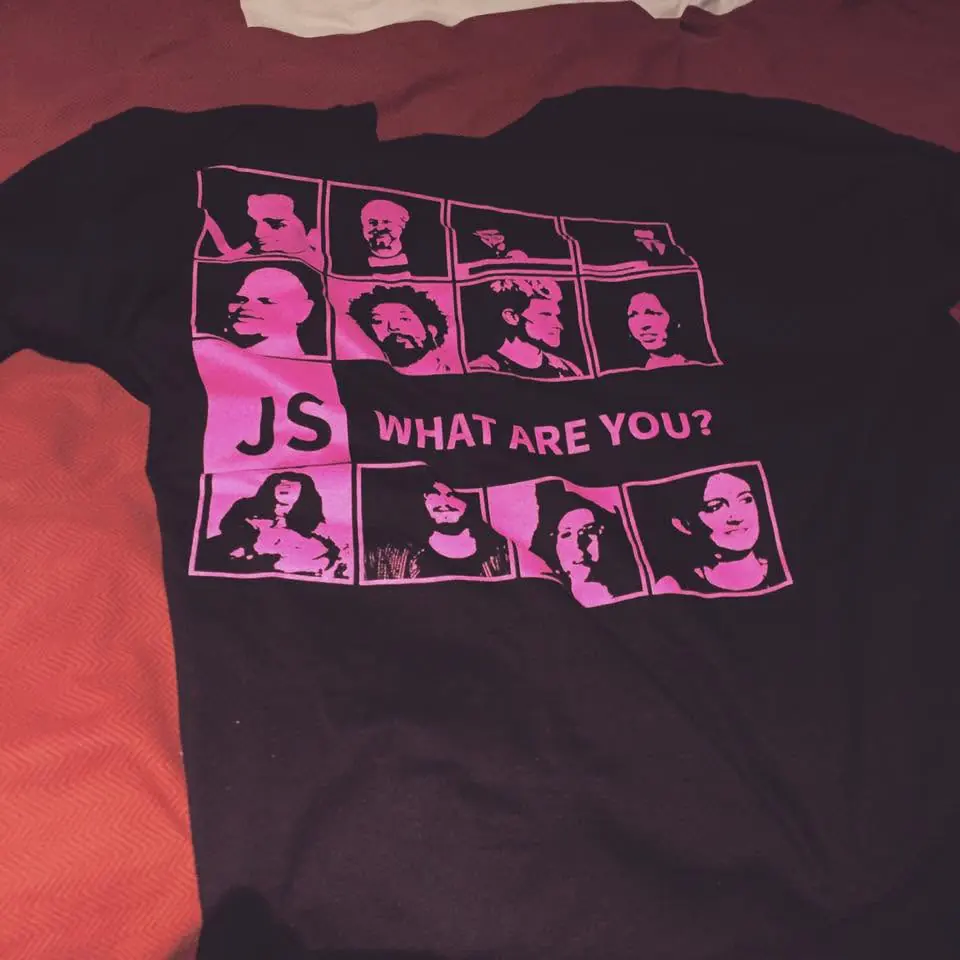
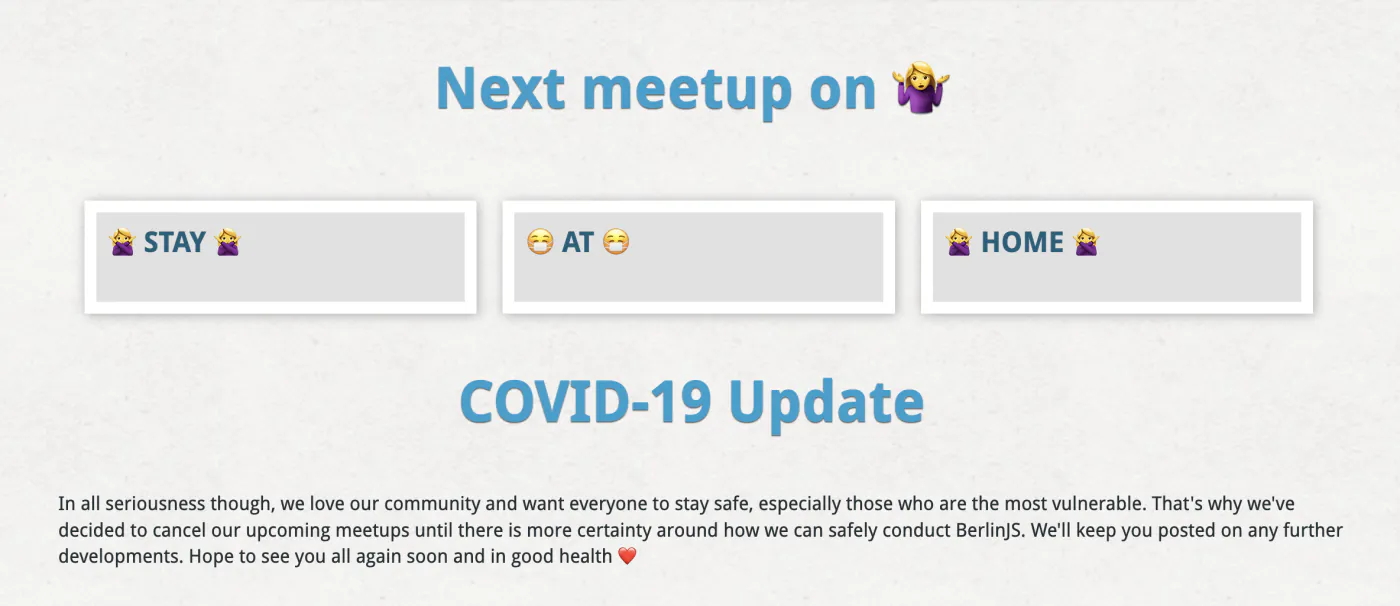
Somewhere towards the end of all this (?) Covid came, and we had to stay at home. Slowly most of those communities died, not all but many. After the Covid hiring boom came the layoff rounds, companies were tightening their budgets, so there was no room for sponsoring a meetup. I also became a father, so I couldn't follow what was happening as much.
Maybe I'm just nostalgic for a period of my life when I had more free evenings and fewer responsibilities. Or maybe Berlin really did have something special going on, and there was no better place to be if you loved tech and/or art and you were in your mid 20s. Probably a bit of both. Many things changed or transitioned, the e-commerce era followed by the SaaS era followed by the crypto era followed by the AI era, buildings changed e.g. Tacheles went from an artist-run cultural center to a complex with offices and shops. Communities changed, companies died and started, people moved on.
And then came AI. I don't think AI killed meetups, most of the damage had already been done by Covid, shrinking company budgets, and people moving on with their lives. But I do think it changed something about how we learn. Back then, if you wanted to know how someone was solving a particular problem, you went to a meetup, listened to a talk, asked a question, and then spent another hour discussing it over a beer. Today you can get an answer in seconds, without leaving your desk. It's definitely more efficient, but efficiency was never really the point.
I don't know if that version of Berlin's tech community will ever come back. Maybe it shouldn't, or maybe it's still there and I'm just an old grumpy guy missing his 20s. I just hope that some communities will be formed and people will want to join them, because as useful as it is to have an AI explain the difference between two frameworks or debug a memory leak for you, it's not quite the same as standing in a slightly overcrowded room in Kreuzberg, listening to someone passionately explain why everything you've been doing for the last two years is wrong. And then going for a beer with them afterwards.
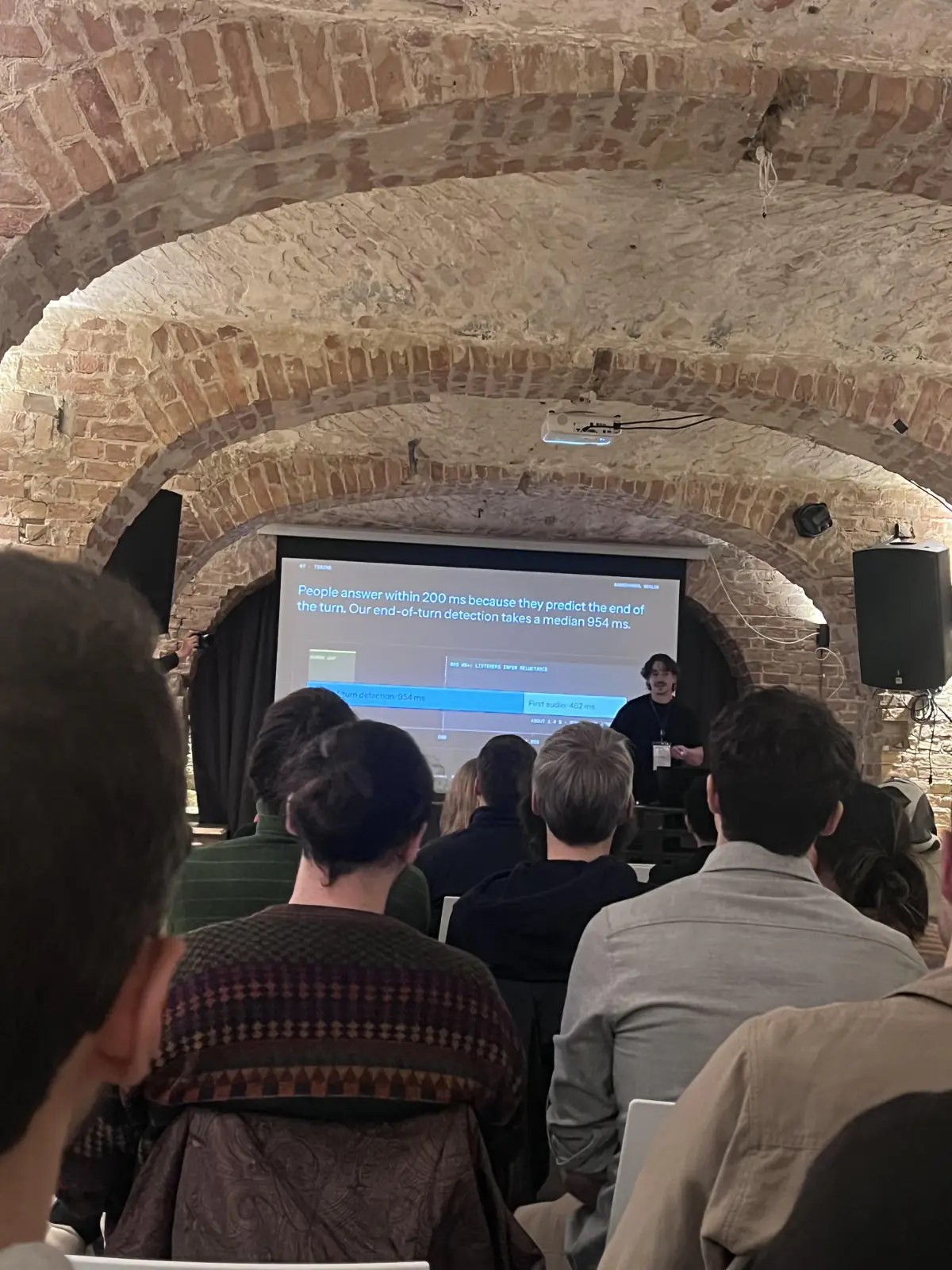
It's not all doom and gloom, though. I still see plenty of gatherings around AI itself. I recently attended a Backchannel Berlin event about Voice AI. Maybe we're just moving from debating low-level framework details to bigger questions about AI ethics, how to build better products, and what we can now do that seemed impossible just a few years ago. Like a talk I saw about deciphering ancient papyri at a scale that would have been unimaginable before.
Maybe the topics will change, the tools will change, and the places where we meet will change too. But I hope we never lose the curiosity that made us squeeze into those overcrowded rooms in the first place. And if, ten years from now, we're still standing around with a beer in hand, passionately arguing about something we'll all be wrong about a few years later, I'd say that's a pretty damn good outcome.